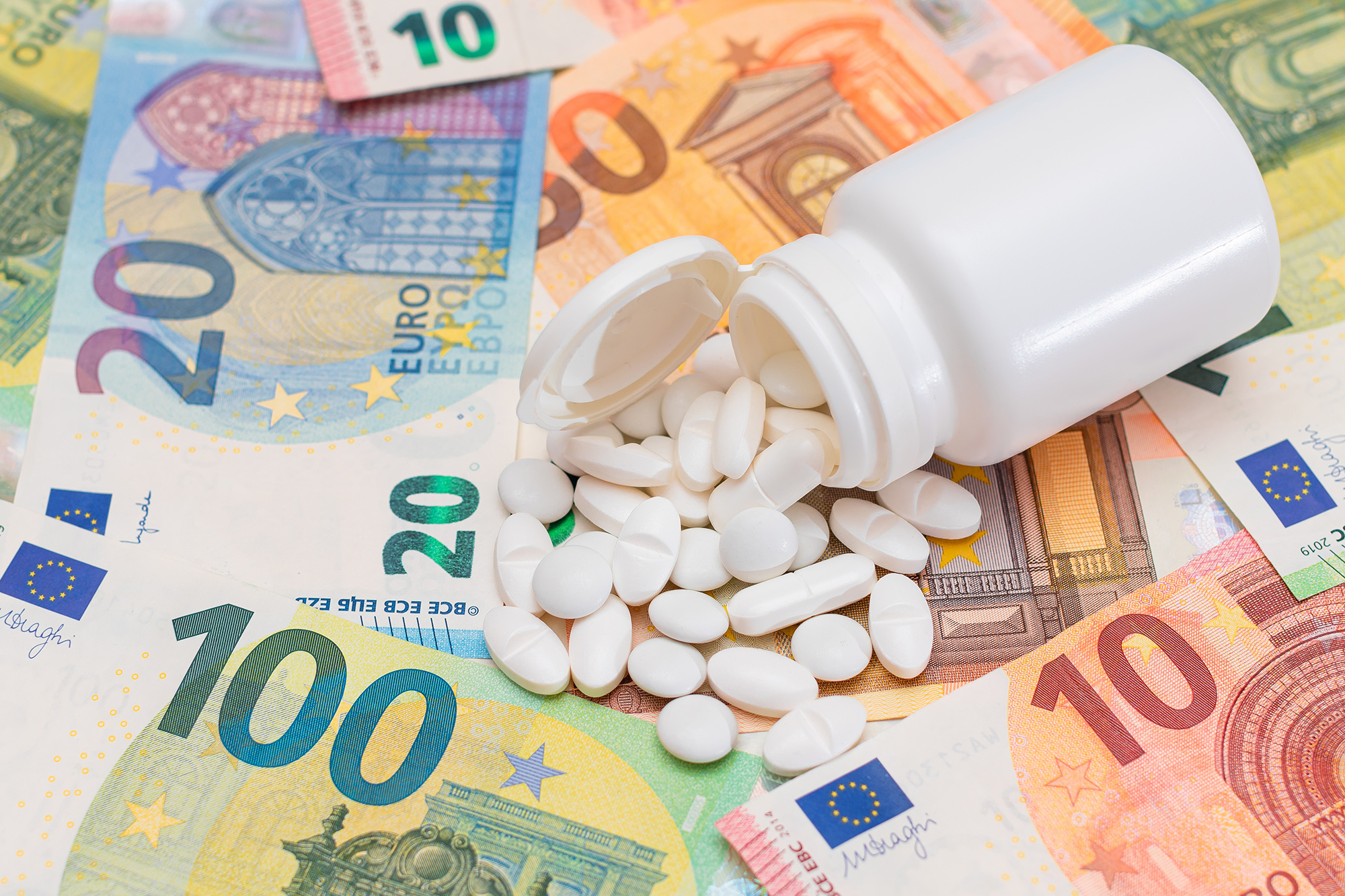
An extraordinary medicine price increase could add R1bn to medical schemes’ costs in 2027, after schemes submitted their budgets. The Health Department announced the additional 2.88% single exit price (SEP) adjustment on 30 September, effective from 1 October. It cited cost pressures for pharmaceutical manufacturers, including geopolitical tensions. The adjustment follows an earlier 1.47% increase in 2026. Although annual increases…
Tag: Pharmaceutical Industry
-
Single Exit Price to Rise 2.88% as Industry Warns of Shortages
The single exit price for medicines will rise 2.88% from October. The industry warns rising input costs are straining medicine supply. The single exit price (SEP) of medicines and scheduled substances will rise 2.88% from 1 October. This is the second adjustment this year. South Africa’s pharmaceutical industry warns that rising input costs are squeezing medicine supply and triggering shortages.…
-
GLP-1 Generics Could Reshape Local Obesity Market
A new wave of generic GLP-1 medicines could transform South Africa’s fast-growing obesity treatment market. Sun Pharma recently launched the country’s first generic semaglutide injection for type 2 diabetes through its Ranbaxy subsidiary. The South African Health Products Regulatory Authority (SAHPRA) is considering another 13 semaglutide applications. The opportunity is substantial. Morgan Stanley expects the global GLP-1 market to reach…
-
Black-Owned Pharmaceutical Companies Demand Tender Reform
The Black Pharmaceutical Industry Association (BPIA) has now joined the increasing criticism directed at the Department of Health. The advocacy group comprises more than 22 black-owned businesses, including manufacturers, wholesalers, and pharmacies. This highlights the important and growing role that Black-owned pharmaceutical companies play in the healthcare sector. It cautions that local suppliers are being severely restricted due to the…
-
Calls for Drug Company Nationalisation After Adcock Job Cuts
Calls for drug company nationalisation have been made by the General Industries Workers Union of South Africa (Giwusa). These calls follow plans by Adcock Ingram to retrench more than 240 workers. Giwusa president Mametlwe Sebei said South Africa’s pharmaceutical sector had lost about 2,500 direct jobs over the past 18 months. He noted that nine local manufacturing plants closed during…
-
Local Pharmaceutical Manufacturing Row Deepens
The Department of Health defended its medicine procurement policies after an industry body blamed government tender practices for thousands of job losses. These job losses occurred among South African pharmaceutical manufacturers. The dispute highlights increasing tension between government efforts to support local pharmaceutical manufacturing and the need to secure affordable medicines. However, the Department of Health also needs to secure…
-
Local Pharmaceutical Manufacturing Needs Urgent Support
An industry group has warned that South Africa’s emphasis on securing the lowest possible prices for medicine is excluding local pharmaceutical companies from important state contracts. This issue highlights the challenges faced by local pharmaceutical manufacturing. In particular, they struggle to remain competitive in the market. Pharmaceuticals Made in South Africa (Pharmisa) told Parliament that the Health Department’s procurement policies…
-
Slow Patent Reform Delays Access to Medicines
South Africa’s continued failure to reform its patent laws is restricting access to affordable medicines. The consequences of slow patent reform are also placing further pressure on the public healthcare system. More than 12 years have passed since the “PharmaGate” scandal became public. The scandal exposed an alleged campaign by the pharmaceutical industry to delay and weaken reforms to South…
-
European Drug-Pricing Policies Face Pushback From Big Pharma
Global pharmaceutical companies are ramping up pressure on European governments over healthcare spending controls. Germany has become the latest focal point of intense industry resistance. Drugmakers facing tighter financial regulations across Europe are deploying a familiar strategy. They are warning policymakers that local investments, facility expansions, and patient access to life-saving medicines are at risk. This playbook recently delivered major…
-
Imported Medicines Threaten SA’s Local Pharmaceutical Industry
South Africa’s local pharmaceutical manufacturers have warned that the Department of Health’s growing reliance on imported medicines could place jobs, industrial capacity, and the country’s security of medicine supply at risk. The warning follows analysis by Pharmaceuticals Made in SA (Pharmisa). Their findings show that importers have steadily increased their share of two of the Department of Health’s biggest medicine…
-
Medicine Price Increase: Industry Demands Transparency
South Africa’s pharmaceutical sector is reaching a boiling point. The country’s umbrella body for manufacturers is now pressuring the National Department of Health for answers. At the heart of the dispute is the recent 1.47% hike in medicine prices for the private sector. Industry leaders warn that without full disclosure on how this figure was reached, legal action is inevitable.…